Revolutionism.
The sixth of the Six Arrows, a commitment to continuous modernization and the defense of reforms against reactionary movements.
Definition
Revolutionism expressed a commitment to continuous modernization and the defense of reforms against reactionary movements. It was both a description of the reform process and a political stance: the republic would defend its transformations against those who sought to reverse them.
The principle distinguished Kemalism from both conservatism and permanent revolution. Unlike conservatism, it accepted no fixed endpoint, the republic was committed to ongoing adaptation and progress. Unlike revolutionary ideologies that sought perpetual upheaval, it aimed for directed reform within institutional structures. The goal was modernization, not chaos.
Historical context
The Ottoman Empire had attempted reform before. The Tanzimat period (1839-1876) and the Young Turk era (1908-1918) both produced modernizing legislation. But these earlier reforms were incremental and often reversed. Conservative forces within the palace, the military, and the religious establishment repeatedly succeeded in rolling back changes.
Kemalist revolutionism insisted on comprehensive, irreversible change. The argument was that waiting for society to be "ready" for reform meant waiting forever. Reform creates the conditions for its own acceptance, not the other way around. This conviction drove the remarkable speed of transformation in the 1920s and 1930s.
Key reforms
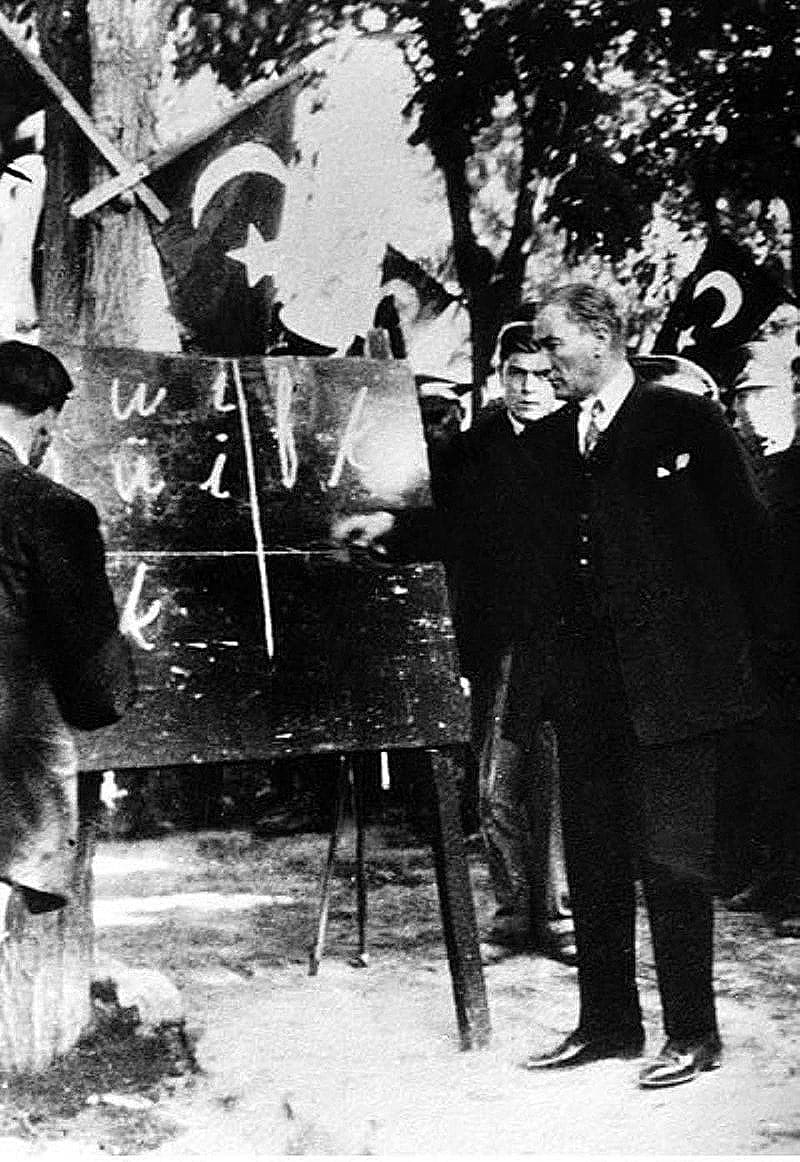
The principle served as justification for the pace and scope of all Kemalist reforms, legal, educational, social, and political. The rapidity of change in the 1920s and 1930s reflected this commitment: the alphabet reform of 1928, the adoption of European legal codes, dress reform, and women's suffrage in 1934 all came in quick succession.
Laws protecting the revolution were enacted to prevent reversal. The Hat Law of 1925 banned the fez and mandated Western headwear. Laws against reactionary movements made it a criminal offense to organize against the secular republican order. These were not merely reforms, they were reforms designed to make themselves permanent.
Modern relevance
The principle raises fundamental questions about reform and democracy. Can a modernizing state impose change without democratic consent? Is it possible to be both revolutionary and democratic? These questions remain relevant as Turkey debates the balance between progress and tradition, individual rights and collective transformation.
The principle also resonates in discussions about whether Kemalism should continue to evolve or preserve its original forms. If revolutionism means ongoing modernization, then Kemalism itself must adapt to new circumstances, a conclusion that some Kemalists embrace and others resist.
The talent and firm resolve of the Turkish nation is to advance on the path of civilization, without stopping, without faltering.